
Creating Meaningful Landscapes: The Role of Community in Urban Design

Urban design shapes the places where people live, work, and gather. Yet, the true success of any landscape depends on how well it connects with the community it serves. Design Cell approaches landscape architecture and urban design as a living medium, aiming to enrich lives through thoughtful, meaningful spaces. This blog explores how involving communities in the design process leads to landscapes that not only look good but also improve social and environmental well-being.

Why Community Matters in Urban Design
Urban landscapes are more than just green spaces or decorative elements. They are places where people experience daily life. When designers engage with the community, they gain insights into local needs, values, and traditions. This understanding helps create spaces that feel relevant and welcoming.
Community involvement leads to:
Designs that reflect local culture and history
Spaces that encourage social interaction and inclusivity
Solutions that address real environmental challenges
Increased sense of ownership and care among residents
For example, a neighborhood park designed with input from local families might include playgrounds, seating areas for elders, and community gardens. These features respond directly to the users’ lifestyles, making the park a hub of activity and connection.
How Best Landscape Designers Engage Communities
The best landscape designers know that listening is as important as creating. They use various methods to involve community members throughout the design process:
Workshops and charrettes: Interactive sessions where residents share ideas and concerns
Surveys and interviews: Collecting detailed feedback on preferences and challenges
Site visits with locals: Understanding how people use existing spaces and what they want to change
Collaborative design reviews: Presenting drafts and adjusting plans based on community input
Design Cell embraces this continuous dialogue to refine projects and ensure they serve the community well. This approach transforms design from a one-way delivery into a shared journey.
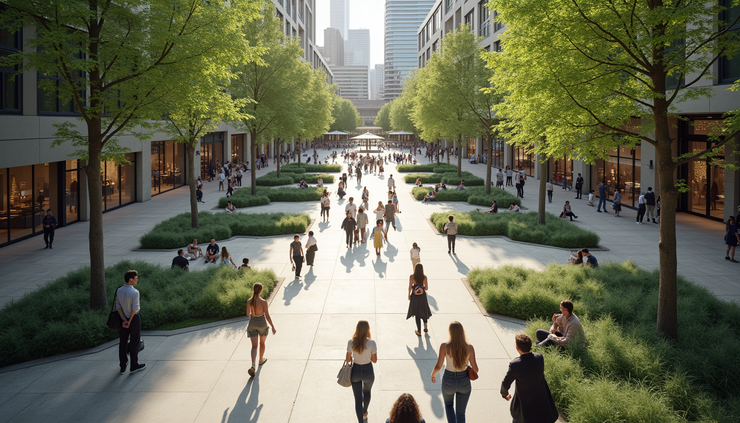
Examples of Community-Driven Urban Landscapes
Several projects worldwide demonstrate the power of community participation in urban design:
The High Line, New York City: Once an abandoned railway, this elevated park was transformed with input from local residents and advocacy groups. It now serves as a vibrant public space that balances nature, art, and urban life.
Superkilen Park, Copenhagen: Designed with contributions from over 50 nationalities living in the neighborhood, this park celebrates cultural diversity through unique installations and recreational areas.
Favela Painting, Rio de Janeiro: Artists collaborated with local communities to turn neglected urban areas into colorful, inspiring environments that boost pride and tourism.
These examples show how the best landscape designers create spaces that resonate deeply with the people who use them.
Practical Steps for Designers to Foster Community Dialogue
Landscape designers and urban planners can take concrete steps to build meaningful relationships with communities:
Start early: Engage residents before design decisions are made to gather authentic input.
Be transparent: Clearly communicate goals, constraints, and possibilities to build trust.
Use inclusive language: Avoid jargon and ensure materials are accessible to all literacy levels and languages.
Respect local knowledge: Treat community members as experts in their own environment.
Follow up: Keep the dialogue open even after project completion to monitor impact and gather feedback for future work.
By adopting these practices, designers can create landscapes that truly serve their communities.

Building Landscapes That Last
Meaningful landscapes are not static. They evolve with the community and environment. When designers maintain ongoing conversations with residents, they can adapt spaces to changing needs and challenges. This dynamic relationship ensures that urban design remains relevant and beneficial over time.
Design Cell’s commitment to continuous dialogue reflects a belief that landscape architecture is a social practice. The best landscape designers do more than create beautiful places: they build connections that strengthen communities and improve quality of life.
Your voice matters in shaping the spaces around you. Join the conversation, share your ideas, and help create landscapes that make a real difference.
Comments